Guide
Multi-Supplier Consolidation in China for Latin America Importers
Plan multi-supplier consolidation in China with supplier instructions, receiving controls, document reconciliation and an FCL or LCL booking.

Multi-supplier consolidation is not simply putting several factories’ cartons into one container. It is an origin-control project: give every supplier the same receiving instructions, record each lot against its purchase order, resolve package and document discrepancies, then book FCL or LCL against the cargo that is actually ready. For a Latin American importer, this work prevents five supplier files from becoming one inconsistent customs file at destination.
Key takeaways
- Create one control sheet before pickup. Supplier, purchase order, SKU, carton marks, packages, dimensions, weight and ready status need one owner.
- Receive by lot, not by memory. Every supplier delivery should remain identifiable until counts, marks, outer condition and documents are reconciled.
- Do not book from estimates once cargo starts changing. Freeze the final load plan from confirmed packages, dimensions, weight and release status.
- Choose FCL or LCL after the total is known. Supplier count does not decide the mode; consolidated volume, handling risk, cargo compatibility and the live quote do.
- Keep the commercial story truthful. Combining cargo does not authorize anyone to invent one seller, invoice or value that does not match the real transactions.
- Plan the destination before loading in China. Importer eligibility, classification, permits, broker scope and final address affect what can be consolidated and how it should be documented.

What makes multi-supplier consolidation different from ordinary LCL?
Ordinary LCL can begin with one shipper delivering one prepared lot. Multi-supplier consolidation begins earlier. Several factories may have different ready dates, carton labels, invoice descriptions, packing-list formats and ideas about who is responsible for domestic delivery in China.
The consolidation plan has to turn those separate inputs into a controlled shipment without erasing their history. That means deciding:
- where and how each supplier delivers;
- what reference must appear on every carton or pallet;
- which counts and condition checks are included at receipt;
- who can release, hold or reject an exception;
- whether late cargo waits for the next shipment or holds the current booking; and
- how supplier documents feed the export and destination import files.
This is why consolidation should be designed before the first factory dispatches. Once unmarked cartons arrive together, reconstructing ownership becomes slow and error-prone.
What belongs on the supplier control sheet?
Use one row per supplier lot, not one row per supplier company. A factory may deliver the same purchase order in several lots.
| Field | Why it matters |
|---|---|
| Supplier and purchase order | Connects the physical delivery to the commercial order |
| Product and SKU | Separates similar-looking cartons and supports document matching |
| Carton or pallet mark | Keeps the lot identifiable through receiving and loading |
| Expected packages | Makes shortages, overages and split deliveries visible |
| Expected dimensions and weight | Supports warehouse planning and the provisional freight quote |
| Actual dimensions and weight | Drives the final CBM, chargeable data and load plan |
| Cargo-ready date | Shows which lots can enter the current shipment |
| Invoice and packing-list status | Prevents cargo from being ready while its documents are not |
| Batteries, liquids, wood or regulated features | Triggers an early packing, acceptance or import review |
| Release status | Records who approved the lot for consolidation |
The freight quote sheet captures the shipment-level inputs. Keep the supplier control sheet behind it as the operational detail.
How should each supplier lot be received?
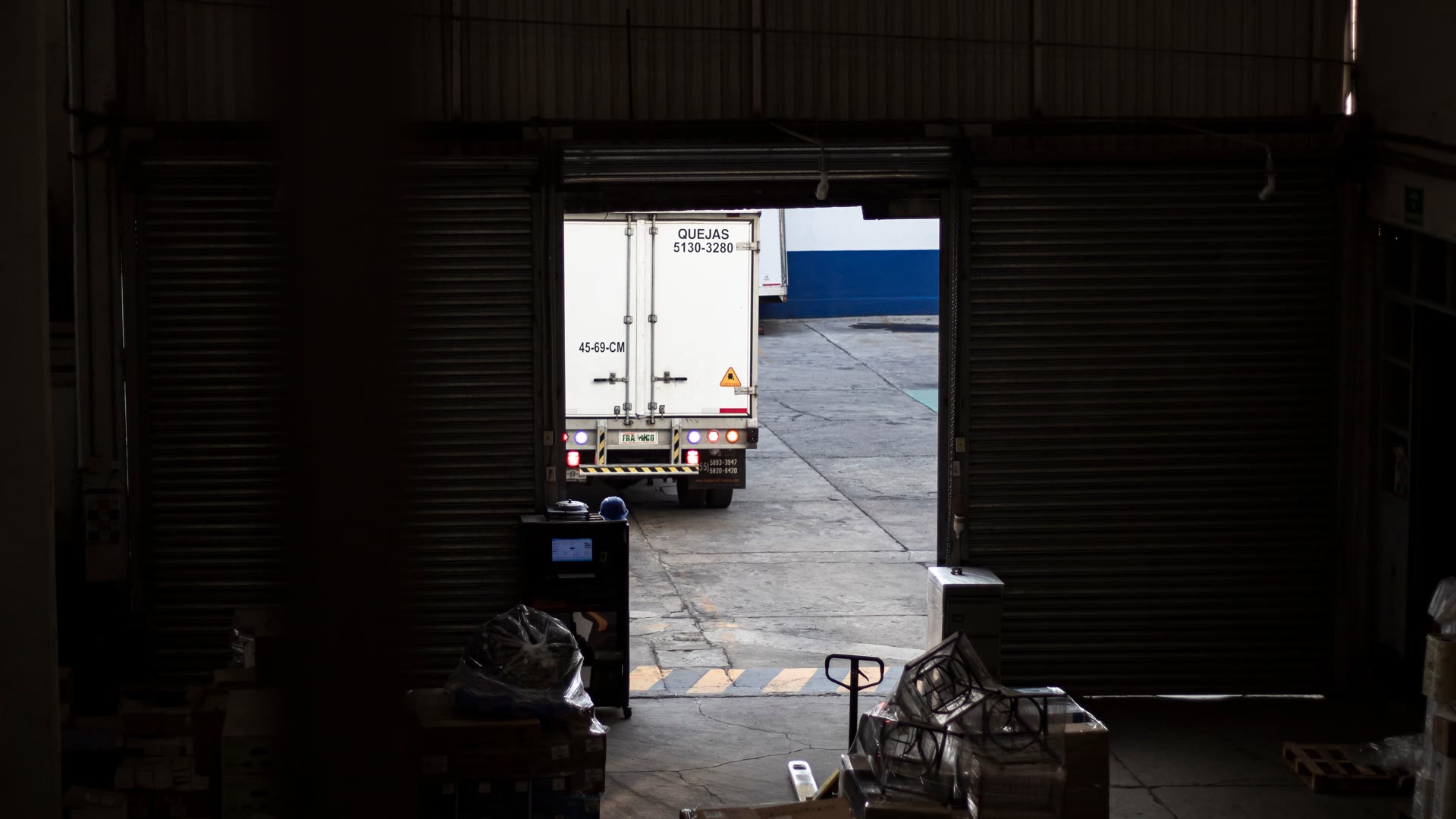
The written receiving instruction should say exactly what is and is not checked. A practical baseline is:
- match the delivery to the supplier and purchase-order reference;
- count packages and record any split delivery;
- capture actual outer dimensions and gross weight;
- check that carton or pallet marks match the instruction;
- record visible outer damage or wet packaging;
- attach the supplier’s invoice and packing list to the lot; and
- place discrepancies on hold until the named decision-maker responds.
Product inspection, quantity verification inside sealed cartons, QC, relabelling and repacking are separate scopes. They should be named, priced and assigned to a responsible party instead of being assumed from the word “warehouse.”
For packing that can survive shared handling, use the export packing and palletizing guide.
When is the consolidated shipment ready to book?
“All factories say ready” is not a booking milestone. The useful milestone is all included lots received, measured, documented and released, with exceptions resolved.
At that point, choose one of three actions for every late or disputed lot:
- Hold the shipment if the missing lot is essential and the booking has not been committed.
- Split the lot into the next shipment if waiting would disrupt the current cargo.
- Cancel or replace it only after the importer and supplier agree on the commercial consequence.
The final booking request should use actual package data. If a supplier changes carton size, adds a pallet or sends only part of the order, update the load plan before booking rather than hoping the receiving point can absorb the difference.
Should the combined cargo move as FCL or LCL?
Do not decide from the number of suppliers. Calculate the final cubic volume, weight, package type and cargo compatibility first, then compare both scopes.
LCL may fit a smaller combined load, but it adds consolidation and deconsolidation handling and shares space with other shippers. FCL gives the importer a dedicated container and fewer cargo interfaces, but the final choice still depends on the load plan and current quote.
Use the CBM calculator, then compare the operational trade-offs in FCL vs LCL ocean freight. The container capacity guide explains why nominal container volume is not the same as usable cargo space.
How do several supplier documents become one import file?
Physical consolidation does not automatically create one commercial transaction. Each supplier’s invoice, packing list, product description, quantity and value must remain traceable to the real sale and the parties involved.
Before loading, reconcile:
- supplier and buyer names;
- purchase-order and invoice references;
- product descriptions and model or SKU;
- package counts, net and gross weights;
- marks and numbers;
- Incoterm and named place; and
- consignee and notify-party instructions for the transport document.
Do not solve inconsistency by inventing a single seller or changing a value to make the paperwork look simpler. The exporter, importer and licensed customs professionals should confirm the lawful document structure for the actual transactions. The China export documents guide explains how the commercial invoice, packing list and transport document need to agree.
What must be settled for Latin America before loading?
Latin America is not one customs market. A consolidation bound for Mexico, Colombia, Chile, Peru or Brazil needs a destination-specific import plan before it leaves China.
Confirm the eligible importer, product classification, permits or standards, origin evidence where relevant, licensed broker, destination gateway and final delivery address. If one supplier’s product needs a control the others do not, that lot can determine whether the entire consolidated shipment is ready.
Use the China to Latin America shipping guide to select the country path. Best Shipping can coordinate customs clearance through partner brokers, but it is not the licensed customs broker or importer of record. Any DDP structure, importer arrangement and destination scope are confirmed shipment by shipment.
Who is responsible for each decision?
| Party | Decision it should own |
|---|---|
| Importer | Product eligibility, commercial approvals, importer status and destination instructions |
| Supplier | Correct goods, packing, marks, package data and truthful commercial documents |
| Forwarder | Receiving plan, exception record, consolidation, booking and agreed transport scope |
| Inspection provider, if used | The separately agreed inspection method and report |
| Licensed destination broker | Customs filing and destination procedure for the eligible importer |
Write the names into the shipment plan. “The warehouse will handle it” or “the forwarder will fix it” is not an accountable instruction.
Frequently asked questions
Can I consolidate orders from Alibaba, 1688 and direct factories?
Potentially, if every supplier can deliver to the named receiving point with the required marks and documents. Platform choice does not remove the need for a truthful commercial and import file.
Must every supplier be ready before the shipment moves?
No. The importer can hold the shipment or move late cargo to the next one. Make that decision before the booking is committed and record which purchase orders are included.
Does consolidation turn several supplier invoices into one invoice?
Not by itself. The invoice structure must match the real sales, exporter arrangement and destination requirements. Do not invent one seller or value merely because the cargo shares a container.
Does warehouse receiving include product inspection or relabelling?
Only when that scope is explicitly agreed. Package receiving, inside-carton quantity inspection, QC, relabelling and repacking are different tasks and should not be implied by one another.
Can I choose FCL or LCL before all suppliers deliver?
You can make a provisional plan, but the final decision should use actual consolidated dimensions, weight, packaging, compatibility and a current quote.
Get a consolidation plan
Prepare the supplier count, factory cities, purchase orders or SKUs, expected packages, dimensions, weight, cargo-ready dates, destination, importer status and any battery, liquid, wood packaging or regulated feature.
For commercial cargo from several suppliers, message us on WhatsApp with that control sheet. We will define the receiving, exception, consolidation and freight scope that still needs shipment-specific confirmation, or you can first review ocean freight from China.
Where this leads
Part of
Tools for this topic