Reference
Shipping Container Types and Sizes: A Practical Reference
A reference for the main shipping container types and sizes — standard, high-cube, reefer, open-top and flat-rack — with capacities and what each is for.
Not all containers are the same box in two lengths. Choosing the right type and size affects how much you can load, what you can ship, and what you pay. Here is a practical reference to the equipment you will actually encounter.
Key takeaways
- For most cargo the choice comes down to 20ft, 40ft or 40HC, driven by your weight and volume.
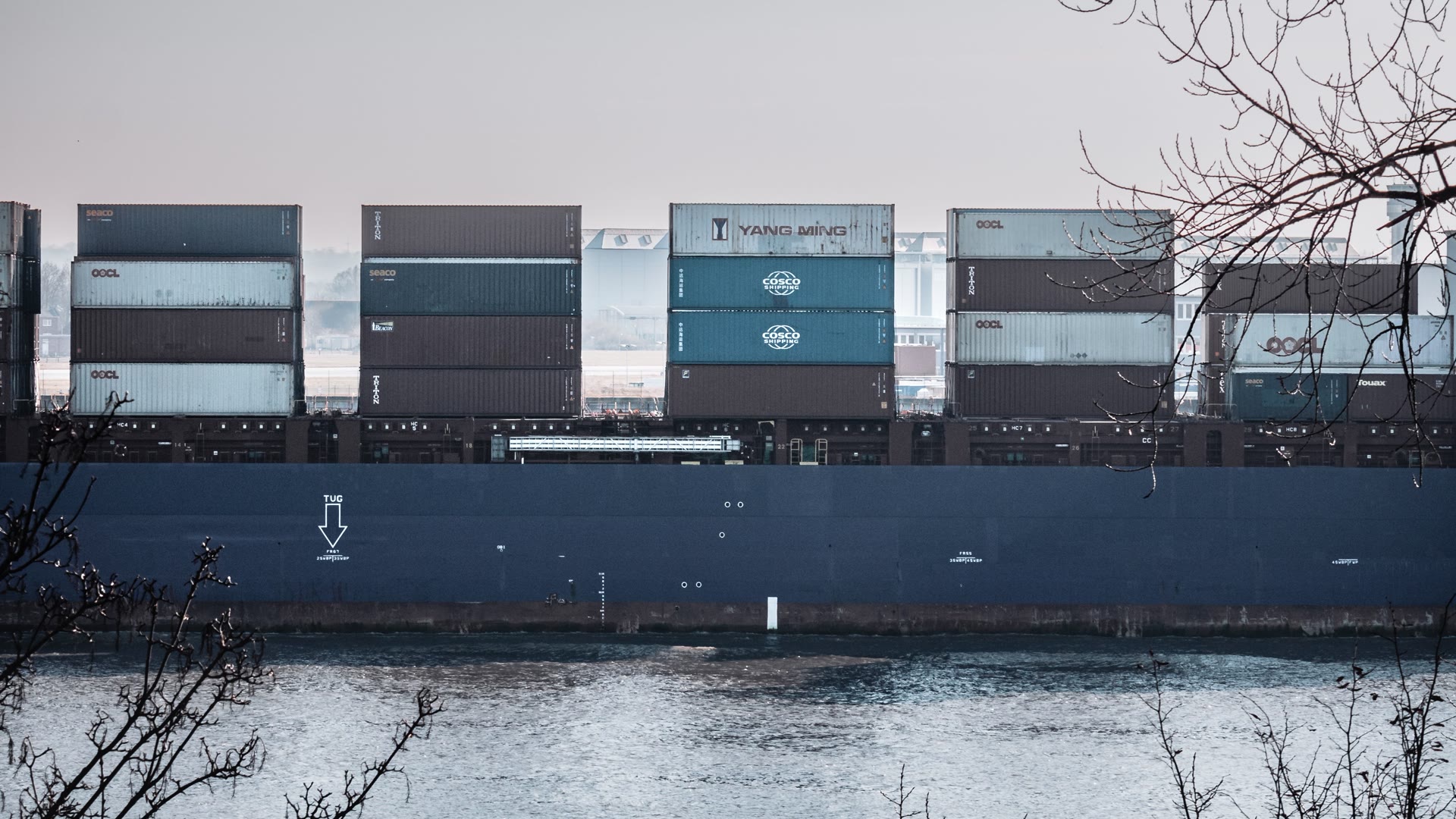
- A 20ft holds roughly 33 cbm; a 40ft roughly 67 cbm; a 40ft high-cube about 76 cbm from the extra height.
- Match the box to density: heavy cargo “weighs out” in a 20ft, while light, bulky cargo benefits from a high-cube.
- Reefer containers hold a set temperature for perishables and pharma but cost more and need power.
- Cargo that will not fit a standard box needs specialised equipment: open-top, flat-rack, open-side or tank containers.
- A forwarder can confirm the most cost-effective option once they know your exact dimensions and weight.
The standard dry containers
The workhorses of ocean freight are general-purpose steel boxes:
- 20ft standard — roughly 33 cbm of internal volume, with a payload commonly around 28 tonnes depending on the line. Good for dense, heavy cargo that “weighs out” before it “cubes out.”
- 40ft standard — roughly 67 cbm. The default for most full-container shipments; double the space of a 20ft for less than double the cost.
A useful rule: heavy cargo often fills a 20ft on weight; light, bulky cargo benefits from the extra volume of a 40ft.
High-cube containers
- 40ft high-cube (40HC) — the same footprint as a 40ft standard but about a foot taller, giving roughly 76 cbm. It has become the most common box on many lanes because the extra height is “free” volume for lightweight cargo. 45ft high-cube options exist on some routes for even more space.
Temperature-controlled (reefer)
- Reefer containers — refrigerated boxes for perishables, pharmaceuticals and other temperature-sensitive cargo. Available in 20ft and 40ft high-cube. They cost more and need a power supply, but they hold a set temperature throughout the journey.
Specialised containers
For cargo that will not fit a standard box:
- Open-top — an open roof covered by a tarpaulin, for tall cargo loaded by crane.
- Flat-rack — collapsible or fixed sides, for oversized, heavy or awkwardly shaped items like machinery and vehicles.
- Open-side — doors along the full length, for cargo that must be loaded from the side.
- Tank containers — for liquids and gases in bulk.
Choosing the right box
Three questions usually settle it:
- How much volume and weight? This decides 20ft vs 40ft, standard vs high-cube.
- Does it fit through standard doors? If not, you are looking at open-top, flat-rack or open-side.
- Does it need temperature control or special handling? That points to a reefer or specialised equipment.
Frequently asked questions
What is the difference between a 40ft standard and a 40ft high-cube? They share the same footprint, but the high-cube (40HC) is about a foot taller, giving roughly 76 cbm against a standard 40ft’s roughly 67 cbm. That extra height is essentially free volume for lightweight cargo, which is why the 40HC has become the most common box on many lanes.
Should I choose a 20ft or a 40ft container? It depends on weight and volume. Heavy, dense cargo often fills a 20ft on weight before it runs out of space, so a 20ft is the natural choice. Light, bulky cargo benefits from the extra volume of a 40ft or 40HC, which gives double the space of a 20ft for less than double the cost.
When do I need a specialised container? When your cargo will not fit through standard doors or needs special handling. Tall cargo loaded by crane suits an open-top; oversized, heavy or awkward items like machinery suit a flat-rack; side-loaded cargo suits an open-side; and bulk liquids or gases need a tank container.
How do I know which box is most cost-effective? Start with your cargo’s density — heavy goods to a 20ft, bulky goods to a high-cube — then check whether it fits a standard box or needs temperature control. A forwarder can confirm the cheapest suitable option once they have your exact dimensions and weight.
The bottom line
For most goods, the choice is simply 20ft, 40ft or 40HC, driven by your weight and volume. Match the box to your cargo’s density first — heavy goods to a 20ft, bulky goods to a high-cube — and reach for specialised equipment only when size, shape or temperature demands it. A forwarder can confirm the most cost-effective option once they know your dimensions and weight, and this reference sits within our guide to air and ocean freight from China.
Where this leads
Part of
Tools for this topic