Explainer
Ocean Freight Charges and Surcharges, Explained
Decode an ocean freight quote — base ocean freight, BAF, CAF, THC, documentation and the other line items that make up the real landed cost of a container.
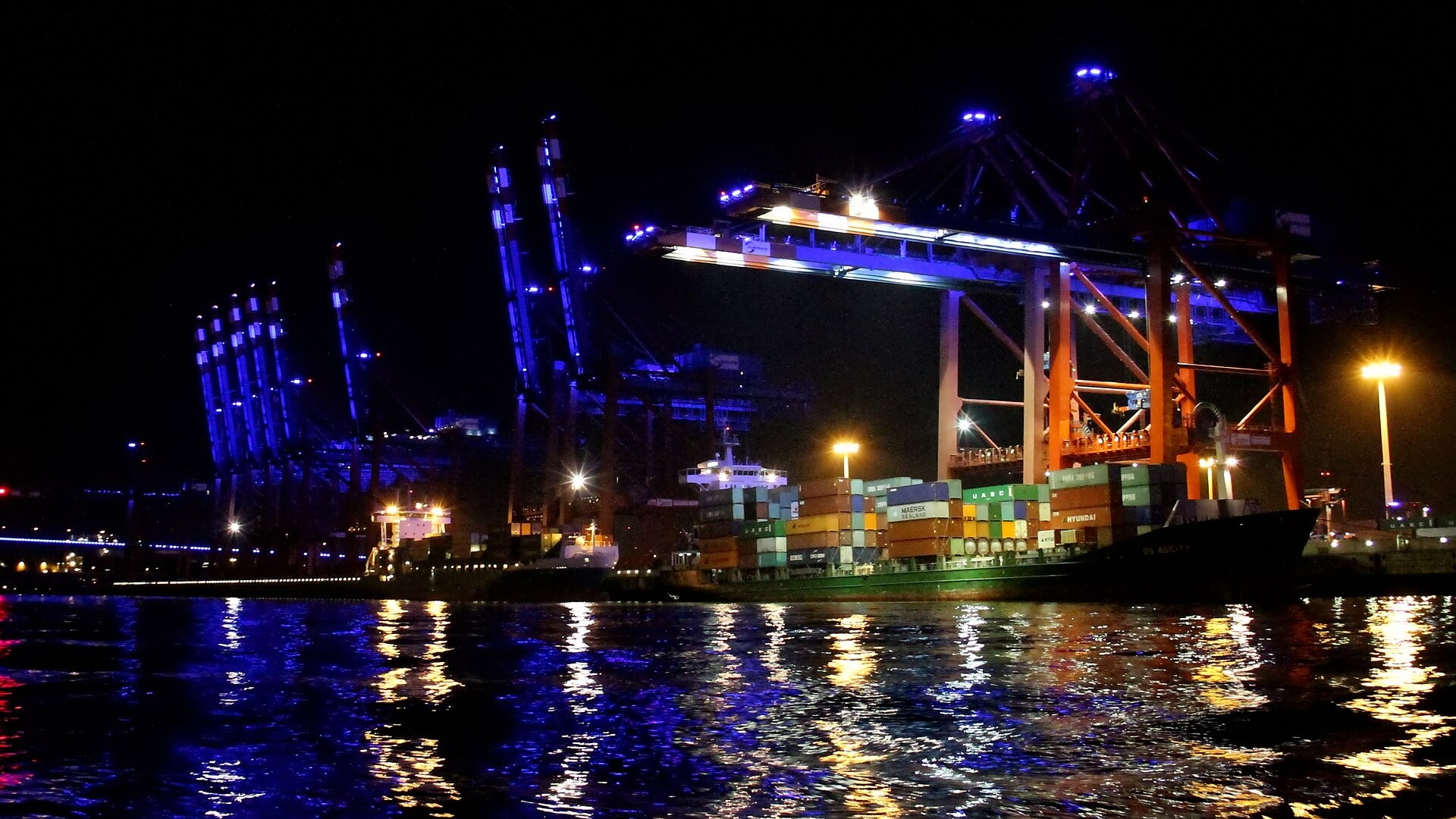
An ocean freight quote is rarely a single number. Open one up and you may find abbreviations such as BAF, THC and ISPS, either itemised or bundled under the quoted structure. Understanding them helps you compare quotes fairly and avoid surprises at destination. Here is what the common line items mean.
Key takeaways
- An ocean quote may show base freight and surcharges separately or bundle some components; compare the stated inclusions and exclusions.
- BAF relates to fuel and CAF to currency exposure, but either may be a separate line, incorporated into another rate or absent under the quoted structure.
- THC, ISPS and documentation/B/L charges may be itemised or bundled at origin or destination; confirm the exact quote scope and Incoterm allocation.
- Some destinations or transit regimes generate an advance security-filing or administration fee. Confirm the current filing, responsible party, data cut-off and quote inclusion for the actual route.
- Possible destination items include THC, demurrage and detention, clearance and last-mile; confirm whether each is included and who bears it.
- Always ask whether a quote is all-in or port-to-port, and confirm which charges fall on you under your Incoterm.
The base ocean freight
This is the core cost of moving your container from the origin port to the destination port. It is set by the shipping line and swings with supply and demand on the trade lane. On busy routes during peak season it can change week to week. Everything else on the quote sits on top of this.
Fuel and currency adjustments
- BAF (Bunker Adjustment Factor) — a fuel-related adjustment that may appear as its own line or be incorporated into the quoted rate.
- CAF (Currency Adjustment Factor) — a currency-related adjustment that may likewise be separate, bundled or not used in that quote structure.
Read the quote rather than assuming a universal layout: confirm whether fuel and currency exposure are included in base freight, bundled elsewhere or shown as separate BAF/CAF lines.
Terminal and handling charges
- THC (Terminal Handling Charge) — terminal handling may be shown separately at origin and/or destination, or bundled into another quoted component. Confirm the included terminal, activity, payer and Incoterm allocation.
- ISPS / Security — a port security fee under international maritime security rules.
- Documentation / B/L fee — for issuing the bill of lading and processing paperwork.
Customs and regulatory filings
- Advance security-filing fee — some destination or transit regimes require cargo data before arrival or loading. The filing name, responsible party, deadline, required data and consequences differ by current regime and shipment role. Ask the carrier and importer which filing applies and whether its administration cost is included.
Charges that appear at destination
Depending on the quote and Incoterm, some destination charges may be included, excluded or allocated to another party:
- Destination THC — confirm whether arrival-terminal handling is a separate line, bundled or excluded, and who bears it.
- Demurrage and detention — penalties if you are slow to collect your container or return the empty. These can escalate quickly.
- Customs clearance and duties — handled by your broker, plus the actual import duty and tax.
- Delivery order and last-mile — releasing and trucking the container to your door.
How to compare quotes properly
Two quotes can look very different and cost the same — or look identical and differ by hundreds of dollars once destination charges are added. When comparing:
- Ask whether the quote is all-in or port-to-port only.
- Confirm which charges fall at destination under your Incoterm.
- Check what is excluded — duties and taxes usually are.
Frequently asked questions
What is the difference between BAF and CAF? BAF is fuel-related and CAF is currency-related. Their presentation is quote-specific: either may be separate, bundled into another rate or absent under that pricing structure.
Why might THC appear at origin and destination? Terminal work can occur at both ends, but the invoice layout is not fixed. The quote may itemise one or both THC components, bundle them elsewhere or exclude them; confirm the terminal scope and Incoterm allocation.
Which charges will I pay at destination? It depends on the quote and Incoterm. Possible items include destination THC, customs clearance and duties, the delivery order and last-mile trucking, and — if free time is exceeded — demurrage and detention. Confirm the payer, inclusions and exclusions line by line.
Why is one quote much cheaper than another? It may cover a narrower port-to-port scope or bundle the components differently. Confirm whether each quote includes destination handling, clearance, duties, taxes and last-mile delivery, and compare every stated exclusion before choosing.
The bottom line
The base ocean freight is only part of the story. Compare each quote’s inclusions, exclusions and Incoterm allocation across origin, main carriage and destination; a lower headline rate may simply use a different bundle. For the wider context, this explainer is part of our guide to air and ocean freight from China.
Ready to put a number on this shipment?
Part of
Tools for this topic